Barbed Wire and Ranch Fence Company in Abilene, TX (Who Actually Call You Back)
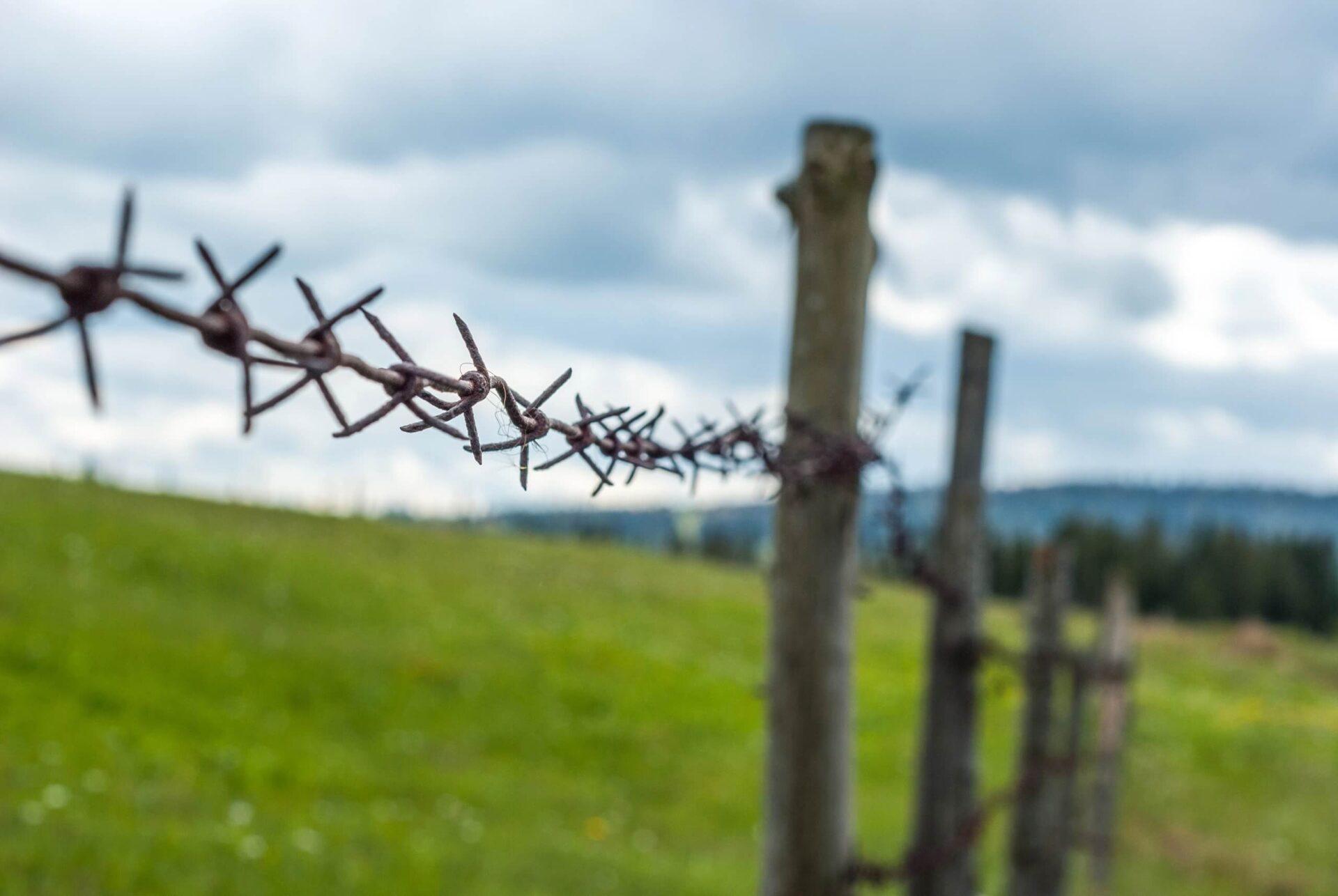
Stock stay on your side of the line, with wire stretched tight.
✔ Free on-site estimates
✔ On-site from start to finish
✔ Priority warranty scheduling
Open Monday to Saturday, 7am-7pm
Get Your Free Fence Estimate
Barbed Wire and Ranch Fence Installation in Abilene
A barbed wire fence is the working boundary of Texas land. It holds cattle, marks your acreage and covers long runs without a rigid build. You repair it one span at a time.
At Everock Fencing in Abilene, TX, we build barbed wire and ranch fence for land in Taylor, Callahan and Jones counties. We brace every corner, stretch the wire tight and hang gates that clear your truck and trailer.
Why Wire Fences Go Slack
Wire holds stock only while it stays tight. A corner post that leans gives up tension along the whole run, and a gap opens that an animal can use.
We brace every corner and stretch the wire in one pass, so the tension holds along the full line.
Why Choose Barbed Wire Fence
A line your stock respect
Keep your cattle on your side of the line. Barbed wire gives an animal a reason to keep its distance, and wire stretched tight between braced posts holds when stock lean on it.
Repairs that stay small
A broken strand is a quick splice, not a rebuild. You fix the span that took the hit, and the rest of the line stays as it is.
Gates where you work
You cross, load and move stock at gates, so they belong where your work happens. We size every opening to the widest truck, trailer or implement that will pass.
A fence that follows rough ground
Draws, rises and rocky spots make a fence line hard to run. Wire follows the ground where rigid panels cannot. At Everock Fencing we choose posts and bracing to suit the terrain.
Services That Go With a Barbed Wire Fence
Built to the Texas Standard
Texas sets a benchmark for a sufficient fence on land with stock. Under Section 143.028 of the Texas Agriculture Code, a barbed wire fence is at least 4 feet high. It has three wires on posts no more than 30 feet apart, with one or more stays between every two posts.
We use that as the starting point and size the fence to your animals. The standard covers pasture lines, boundaries and crossings between tracts. For land near Tye, Merkel, Baird or Anson, we begin with the boundary you point out and the stock behind it.
What Happens After You Get In Touch
Three steps, in this order. Nothing is hidden, and nothing starts until you approve the plan.
- You get in touch. Send the short form or call. We can call you back and ask a few questions first, so we know what you want to fence and where. Estimates are always free.
- We visit and quote in person. We walk your land with you, measure each run and mark the gate spots. You choose the strand count and the post spacing, and you see the itemized quote on site.
- We build, you approve. We request the Texas811 locate and set the posts. Then we build braced corners, stretch the wire tight and hang gates sized for trucks and trailers. We tidy the work area when we finish.
What the Job Covers From Start to Finish
Layout with you. We walk your line, measure each run and mark the gate spots before any hole is dug.
Lines marked. We request the Texas811 locate before we dig. That call does not mark private lines on your land, so you point those out on the visit.
Posts and braced corners. Posts are spaced to the line, with braced corners, gates and line ends.
Wire. The wire is stretched tight along the full line.
Gates. Gates sized for your truck, trailer and equipment are hung.
Ranch Fence Layouts and What They Hold
Ranch and farm land uses a few fence layouts again and again. Each one does a different job on your property.
Cattle fence. Wire count and spacing follow the animals behind it. Texas sets 4 feet as the minimum height for a sufficient fence.
Boundary fence. It marks the edge between your land and the next tract. We build to the line you confirm, with corners marked or surveyed.
Cross fence. It splits a pasture so you can move stock from one part to the next.
Wire with a woven base. Woven wire along the bottom stops calves, goats and sheep that slip through open strands.
Gates and crossings. Heavy gates suit working pens and entrances. Wire gates suit crossings in the pasture.
Pick the layout by the animal and the job. A line that fits both holds its shape for years.
Posts, Wire and Braces That Hold the Line
A wire fence stands on its parts. We choose each one for the strain it takes.
Line posts.
They hold the wires at the right height. We space them to the length of the run and the lay of the ground.
Corner and brace posts.
They take the pull of the wire. We set them heavier and deeper than line posts and brace them against the load.
Wire.
Galvanized barbed wire resists weather. We stretch each strand tight and tie it off so it does not sag.
Stays.
Stays hold the wires apart between posts. We add them so an animal cannot push the strands together.
Gates and hardware.
Gates take the most traffic. We hang them on heavy hinges with a latch that stock cannot lift.
Good to Know Before You Buy Wire
Barbed wire is built for agricultural land. Abilene’s Land Development Code supports it on farm and ranch lots, so you get the fence your acreage needs. Confirm your zoning first and your fence only goes up once.
Rules to Plan Around
A line you can point to. On acreage, we build to the line you confirm. Marked or surveyed corners keep the fence where you want it.
Lines marked before the first hole. Texas811 marks public utility lines at no charge. The request goes in at least two working days before the first post hole, and we hold the digging until the marks are down.
Your land decides the rules. Your town or county sets the local rules, so the plan starts with where your land sits.
Clear corners with your neighbors. If the line is shared, a short talk before the build keeps the corners and the gate spots clear for both sides.
Keeping Your Wire Fence Tight
A wire fence stays tight when you walk it. Five habits keep the line ready for stock.
Walk the line after storms. Look for fallen limbs, loose wire and any post that leans.
Check the braces first. A brace that shifts lets the whole run go slack.
Retighten slack spans. Wire that sags gives stock an opening. A turn of the tensioner closes it.
Keep brush off the wire. Brush and vines pull on wire and posts. Cut them back along the line.
Fix breaks right away. Stock find a gap quickly. A splice made early costs a few minutes.
Barbed Wire Fence Installation in Abilene and the Towns Around It
You get the same visit whether your lot is in Abilene or out toward Tye, Merkel, Buffalo Gap, Hawley or Clyde. Tell us where the lot sits, and we start with the rules for that address.
What Shapes the Price of Barbed Wire Fence
Total length and the number of wires set most of the price. Post type and spacing come next, then the corners, since each corner needs a brace. The site decides the rest: rocky or hard ground, brush to clear, creek or draw crossings, the number and width of gates and access for equipment.
Estimates are always free. Quoting in person is the preferred way, because the measurements, the ground and the gate openings are all visible on site.
Walking the line costs you nothing. Bring three things: your boundary marks, a note on the stock you run and the gate widths you need.
Barbed Wire, Woven Wire or Pipe
| What matters | Barbed wire | Woven wire | Pipe |
|---|---|---|---|
| Long runs | Fits best | Fits well | Fits short runs and entrances |
| Cattle | Holds when braced | Holds well | Strongest, rigid rails |
| Small animals | Add strands or a woven base | Holds well | Add rails or mesh |
| Repair | Splice a span | Splice a section | Weld or replace a rail |
| Upkeep | Check ties and braces | Check tension and ties | Paint touch-ups |
| Best for | Cattle, boundaries, acreage | Goats, sheep, field lines | Pens, entrances, working areas |
Choose barbed wire for cattle and long boundaries. Choose woven wire when small stock share the pasture. Add pipe at the pens and entrances where animals push hardest.
You Go First After the Build
You walk the line with us and approve the corners and gate spots before the first post goes in. From there, every brace, strand and gate is ours to get right.
After we build your fence, any fix goes to the front of the schedule. You’re booked first. If the problem is the installation, we fix it.
FAQs
What makes a barbed wire fence legal in Texas?
Texas Agriculture Code Section 143.028 asks for a fence at least 4 feet high. A barbed wire fence has three wires on posts no more than 30 feet apart, with one or more stays between every two posts.
How many wires do I need?
Texas sets three as the base for a sufficient fence. We set the final count by the animals you run, and we go through it at your estimate.
Can I use barbed wire inside Abilene?
Yes, on agricultural land. We check your zoning before we plan the fence.
Why do the corners get braces?
Braces take the pull of the wire at corners, gates and line ends. A braced corner keeps the whole run tight.
Can the gates fit my equipment?
Yes. Tell us the widest truck, trailer or implement that will pass and we size the opening around it.
Who calls before digging?
We do. Texas811 wants two working days of notice, and marking public lines is free.
Do you build outside Abilene?
Yes. We build across Taylor, Callahan and Jones counties. Where your land sits decides which rules apply, and we check them before the build.
Do you charge for estimates?
No. Estimates are always free, and quoting in person is preferred.
Walk the Line Before You Decide
Walk your boundary with us and see the whole job before you decide. We measure the runs, mark the corners and gates and talk through wire, posts and braces. Your estimate is free, and you leave with a clear plan for the line.
Other Fences We Build
Fence Types